About

I am an Associate Professor of Mathematics at the University of North Carolina at Chapel Hill. My research focuses on optimization, discrete and computational geometry, and machine learning, with applications in computer graphics, computer vision, biology, and medicine.


I hold secondary appointments in the Department of Computer Science and the School of Data and Information Sciences. I am a member of the Carolina Program for Interdisciplinary Applied Mathematics (CPIAM).

I joined UNC in 2020. Prior to that, I was a Phillip Griffiths Assistant Research Professor in the Department of Mathematics at Duke University, where I worked with Prof. Ingrid Daubechies at the Rhodes Information Initiative at Duke (iID).

I completed my PhD at the Weizmann Institute of Science in Israel under the supervision of Prof. Ronen Basri and Prof. Yaron Lipman.

Publications

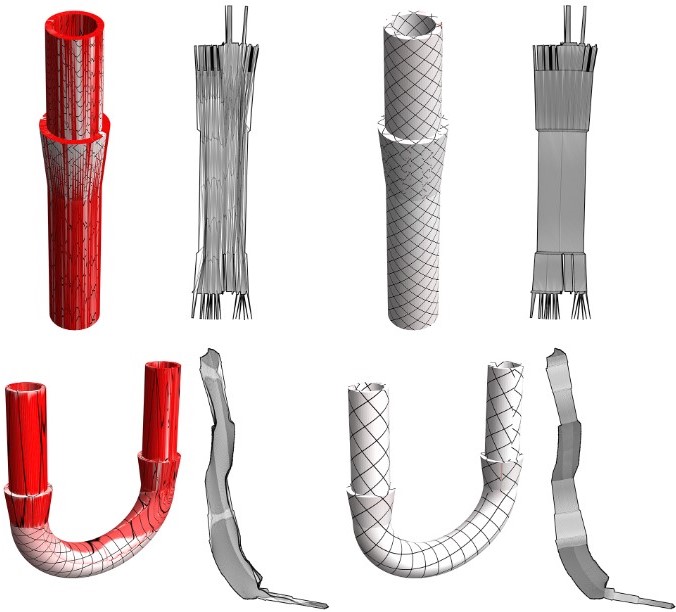
Research illustration for dOPT: Differentiating Conic Optimization via Geometric Reduction

dOPT: Differentiating Conic Optimization via Geometric Reduction

Fengyu Yang, Connor W. Magoon, Tyler Watts, and Shahar Z. Kovalsky

arXiv preprint 2026

[Paper]
[Abstract]
dOPT differentiates conic optimization independently of the solver used for the forward pass. At a computed solution, a geometric reduction produces an equality-constrained quadratic problem with matching first-order sensitivity. One symmetric linear solve yields the derivatives. The framework covers convex nonlinear, quadratic, second-order cone and semidefinite programs; experiments assess gradient accuracy and demonstrate improved scaling of the backward pass.
Research illustration for A Generative Foundation Model for Cryo-EM Densities

A Generative Foundation Model for Cryo-EM Densities

Yilai Li, Jing Yuan, Yi Zhou, Zhenghua Wang, Suyi Chen, Fengyu Yang, Haibin Ling, Shahar Z. Kovalsky, Xiaoqing Zheng, and Quanquan Gu

bioRxiv preprint 2025

[Paper]
[Abstract]
cryoFM uses flow matching to learn a prior over cryo-EM densities from high-quality maps. Combining the learned prior with experimental constraints in a Bayesian formulation enables posterior sampling and conditional map refinement. The approach addresses noise, nonuniform sampling and reconstruction artifacts, helping recover interpretable density maps across experimental conditions.
Research illustration for Differentiation Through Black-Box Quadratic Programming Solvers

Differentiation Through Black-Box Quadratic Programming Solvers

Connor W. Magoon*, Fengyu Yang*, Noam Aigerman, and Shahar Z. Kovalsky

Accepted NeurIPS 2025
(* equal contributors)

[arXiv][Code]
[Abstract]
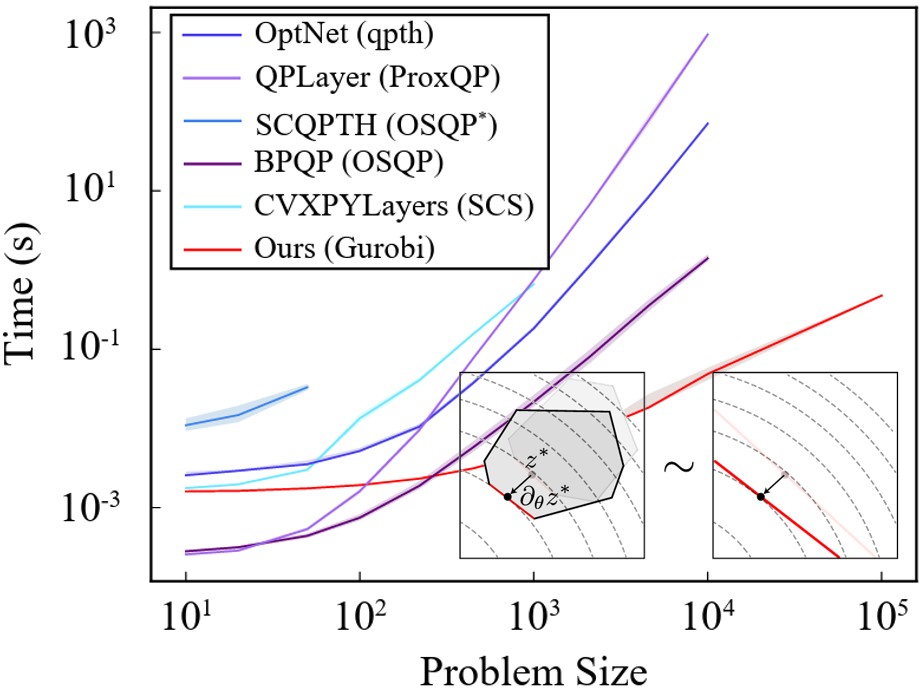
Differentiable optimization has attracted significant research interest, particularly for quadratic programming (QP). Existing approaches for differentiating the solution of a QP with respect to its defining parameters often rely on specific integrated solvers. This integration limits their applicability, including their use in neural network architectures and bi-level optimization tasks, restricting users to a narrow selection of solver choices. To address this limitation, we introduce dQP, a modular and solver-agnostic framework for plug-and-play differentiation of virtually any QP solver. Our key theoretical insight is that the solution and its derivative can each be expressed in terms of closely-related and simple linear systems by using the active set at the solution. This insight enables efficient decoupling of the QP's solution, obtained by any solver, from its differentiation. Our open-source, minimal-overhead implementation will be made publicly available and seamlessly integrates with more than 15 state-of-the-art solvers. Comprehensive benchmark experiments demonstrate dQP's robustness and scalability, particularly highlighting its advantages in large-scale sparse problems.
Research illustration for A Preliminary Study Comparing the Performance of Thyroid Molecular Tests to a Deep Learning Algorithm in Predicting Malignancy in Indeterminate Thyroid Fine Needle Aspiration Biopsies

A Preliminary Study Comparing the Performance of Thyroid Molecular Tests to a Deep Learning Algorithm in Predicting Malignancy in Indeterminate Thyroid Fine Needle Aspiration Biopsies

Serge Assaad, David Dov, Christine Park, Richard Davis, Shahar Z. Kovalsky, Walter T. Lee, Russel R. Kahmke, Daniel J. Rocke, Jonathan Cohen, Ahuva Weiss-Meilik, Ricardo Henao, Lawrence Carin, and Danielle Elliott Range

Thyroid 2024

[Paper][Paper (alt)]
[Abstract]
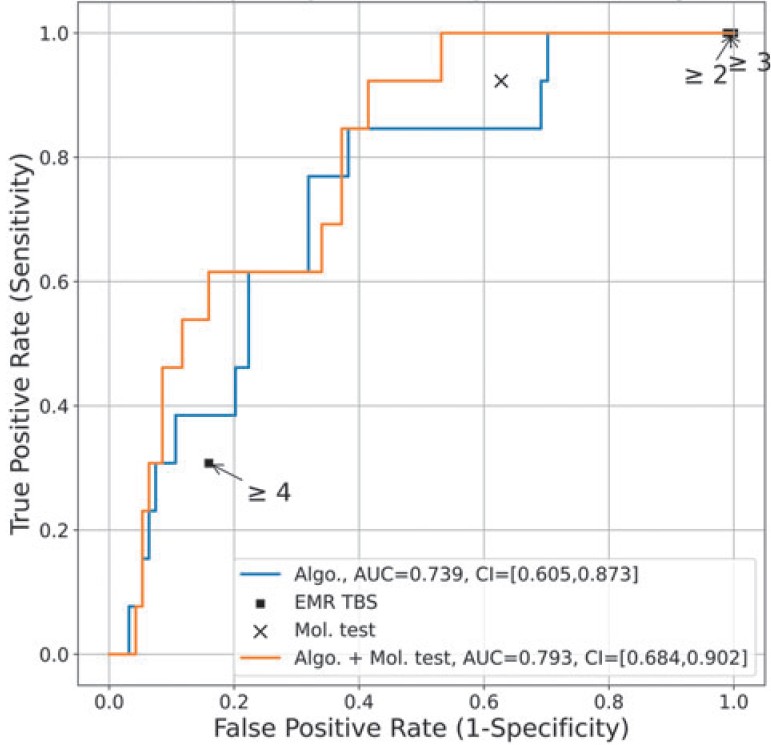
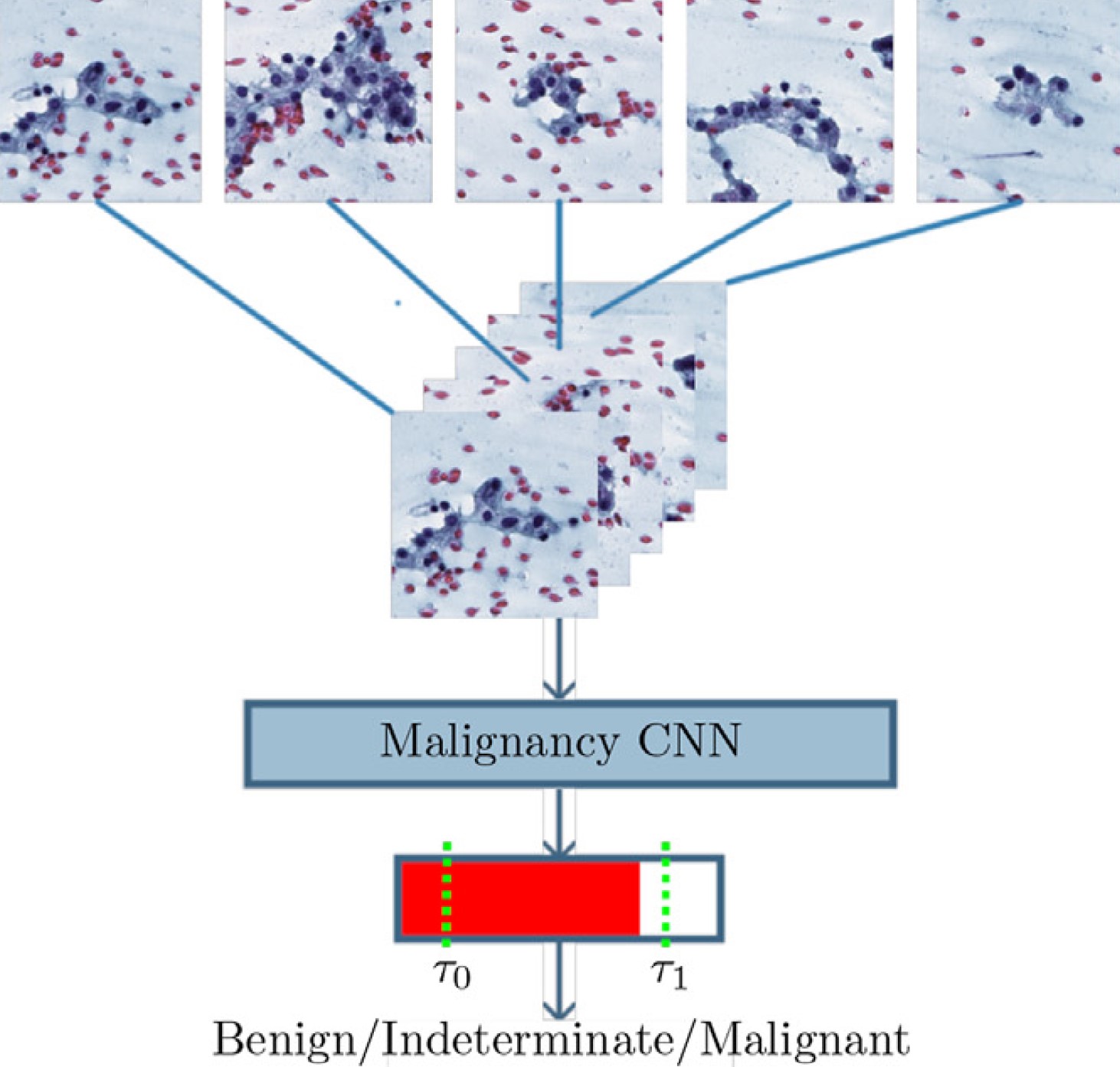
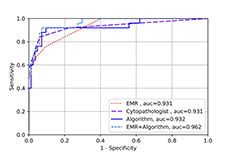
Fine needle aspiration biopsies (FNABs) are the standard of care for diagnosing thyroid cancer.1 The Bethesda System for Reporting Thyroid Cytopathology (TBS) comprises six diagnostic categories for the classification of thyroid FNABs in which each category is associated with a risk of malignancy (ROM) rate. 20% to 40% of the diagnostic FNABs classified using TBS are considered indeterminate thyroid nodules (ITNs): atypical (TBS-3), follicular neoplasm (TBS-4). Among the ITNs, 70% are benign on final pathology, resulting in potentially unnecessary surgery. Overthe past two decades,molecular tests (MTs), such as the Afirma Gene Expression and Sequencing Classifier (Veracyte, Inc., San Francisco, CA), and the ThyroSeq Genomic Classifier (Sonic Healthcare, Austin, TX), have been developed to refine the indeterminate TBS categories.4,5 In previous work, we demonstrated the potential of image-based deep learning (DL) to predict thyroid cancer on whole slide images (WSIs) of FNABs across all TBS categories.6 In this study, our primary objective was to evaluate the performance of our DL algorithm in the prediction of malignancy in ITNs and compare its performance to MTs in the ancillary setting. A secondary objective was to explore whether the algorithm could be used in conjunction with the MT results for more accurate predictions.
Research illustration for Thyroid Cytopathology Cancer Diagnosis from Smartphone Images Using Machine Learning

Thyroid Cytopathology Cancer Diagnosis from Smartphone Images Using Machine Learning

Serge Assaad, David Dov, Richard Davis, Shahar Z. Kovalsky, Walter T. Lee, Russel R. Kahmke, Daniel J. Rocke, Jonathan Cohen, Ricardo Henao, Lawrence Carin, and Danielle Elliott Range

Modern Pathology 2023

[Paper][Paper (alt)]
[Abstract]
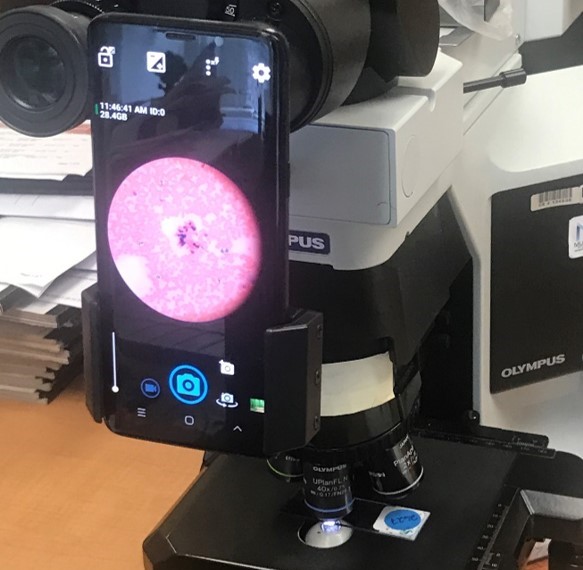
We examined the performance of deep learning models on the classification of thyroid fine-needle aspiration biopsies using microscope images captured in 2 ways: with a high-resolution scanner and with a mobile phone camera.

Our training set consisted of images from 964 whole-slide images captured with a high-resolution scanner. Our test set consisted of 100 slides; 20 manually selected regions of interest (ROIs) from each slide were captured in 2 ways as mentioned above.

Applying a baseline machine learning algorithm trained on scanner ROIs resulted in performance deterioration when applied to the smartphone ROIs (97.8% area under the receiver operating characteristic curve [AUC], CI = [95.4%, 100.0%] for scanner images vs 89.5% AUC, CI = [82.3%, 96.6%] for mobile images, P = .019). Preliminary analysis via histogram matching showed that the baseline model was overly sensitive to slight color variations in the images (specifically, to color differences between mobile and scanner images). Adding color augmentation during training reduces this sensitivity and narrows the performance gap between mobile and scanner images (97.6% AUC, CI = [95.0%, 100.0%] for scanner images vs 96.0% AUC, CI = [91.8%, 100.0%] for mobile images, P = .309), with both modalities on par with human pathologist performance (95.6% AUC, CI = [91.6%, 99.5%]) for malignancy prediction (P = .398 for pathologist vs scanner and P = .875 for pathologist vs mobile). For indeterminate cases (pathologist-assigned Bethesda category of 3, 4, or 5), color augmentations confer some improvement (88.3% AUC, CI = [73.7%, 100.0%] for the baseline model vs 96.2% AUC, CI = [90.9%, 100.0%] with color augmentations, P = .158). In addition, we found that our model’s performance levels off after 15 ROIs, a promising indication that ROI data collection would not be time-consuming for our diagnostic system. Finally, we showed that the model has sensible Bethesda category (TBS) predictions (increasing risk malignancy rate with predicted TBS category, with 0% malignancy for predicted TBS 2 and 100% malignancy for TBS 6).
Research illustration for Deep-Learning–Based Screening and Ancillary Testing for Thyroid Cytopathology

Deep-Learning–Based Screening and Ancillary Testing for Thyroid Cytopathology

David Dov, Danielle Elliott Range, Jonathan Cohen, Jonathan Bell, Daniel J. Rocke, Russel R. Kahmke, Ahuva Weiss-Meilik, Walter T. Lee, Ricardo Henao, Lawrence Carin, and Shahar Z. Kovalsky

The American Journal of Pathology 2023

[Paper][Paper (alt)]
[Abstract]
Thyroid cancer is the most common malignant endocrine tumor. The key test to assess preoperative risk of malignancy is cytologic evaluation of fine-needle aspiration biopsies (FNABs). The evaluation findings can often be indeterminate, leading to unnecessary surgery for benign post-surgical diagnoses. We have developed a deep-learning algorithm to analyze thyroid FNAB whole-slide images (WSIs). We show, on the largest reported data set of thyroid FNAB WSIs, clinical-grade performance in the screening of determinate cases and indications for its use as an ancillary test to disambiguate indeterminate cases. The algorithm screened and definitively classified 45.1% (130/288) of the WSIs as either benign or malignant with risk of malignancy rates of 2.7% and 94.7%, respectively. It reduced the number of indeterminate cases (N = 108) by reclassifying 21.3% (N = 23) as benign with a resultant risk of malignancy rate of 1.8%. Similar results were reproduced using a data set of consecutive FNABs collected during an entire calendar year, achieving clinically acceptable margins of error for thyroid FNAB classification.
Research illustration for Re-Think and Re-Design Graph Neural Networks in Spaces of Continuous Graph Diffusion Functionals

Re-Think and Re-Design Graph Neural Networks in Spaces of Continuous Graph Diffusion Functionals

Tingting Dan, Jiaqi Ding, Ziquan Wei, Shahar Z. Kovalsky, Minjeong Kim, Won Hwa Kim, and Guorong Wu

NeurIPS 2023

[Paper][Paper (alt)][Poster]
[Abstract]
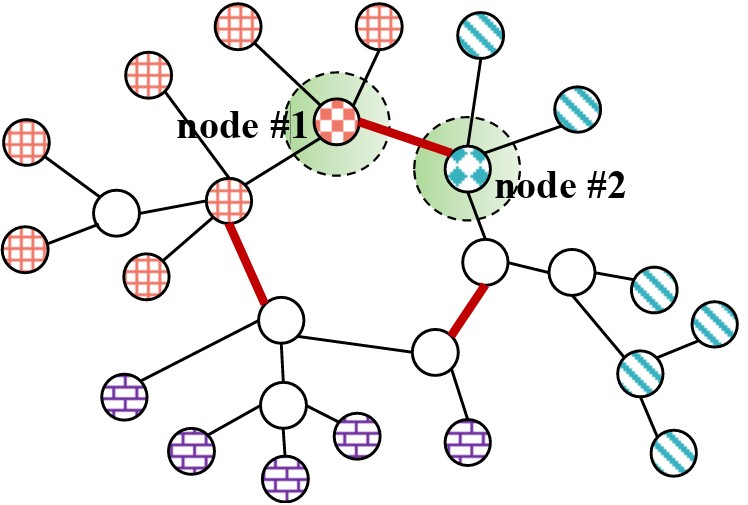
Graphs are ubiquitous in various domains, such as social networks and biological systems. Despite the great successes of graph neural networks (GNNs) in modeling and analyzing complex graph data, the inductive bias of locality assumption, which involves exchanging information only within neighboring connected nodes, restricts GNNsincapturing long-range dependencies and global patterns in graphs. Inspired by the classic Brachistochrone problem, we seek how to devise a new inductive bias for cutting-edge graph application and present a general framework through the lens of variational analysis. The backbone of our framework is a two-way mapping between the discrete GNN model and continuous diffusion functional, which allows us to design application-specific objective function in the continuous domain and engineer discrete deep model with mathematical guarantees. First, we address over-smoothing in current GNNs. Specifically, our inference reveals that the existing layer-by-layer models of graph embedding learning are equivalent to a ℓ2-norm integral functional of graph gradients, which is the underlying cause of the over-smoothing problem. Similar to edge-preserving filters in image denoising, we introduce the total variation (TV) to promote alignment of the graph diffusion pattern with the global information present in community topologies. On top of this, we devise a new selective mechanism for inductive bias that can be easily integrated into existing GNNs and effectively address the trade-off between model depth and over-smoothing. Second, we devise a novel generative adversarial network (GAN) to predict the spreading flows in the graph through a neural transport equation. To avoid the potential issue of vanishing flows, we tailor the objective function to minimize the transportation within each community while maximizing the inter-community flows. Our new GNN models achieve state-of-the-art (SOTA) performance on graph learning benchmarks such as Cora, Citeseer, and Pubmed.
Research illustration for Use of Machine Learning–Based Software for the Screening of Thyroid Cytopathology Whole Slide Images

Use of Machine Learning–Based Software for the Screening of Thyroid Cytopathology Whole Slide Images

David Dov, Shahar Z. Kovalsky, Qizhang Feng, Serge Assaad, Jonathan Cohen, Jonathan Bell, Ricardo Henao, Lawrence Carin, and Danielle Elliott Range

Archives of Pathology & Laboratory Medicine 2022

[Paper]
[Abstract]
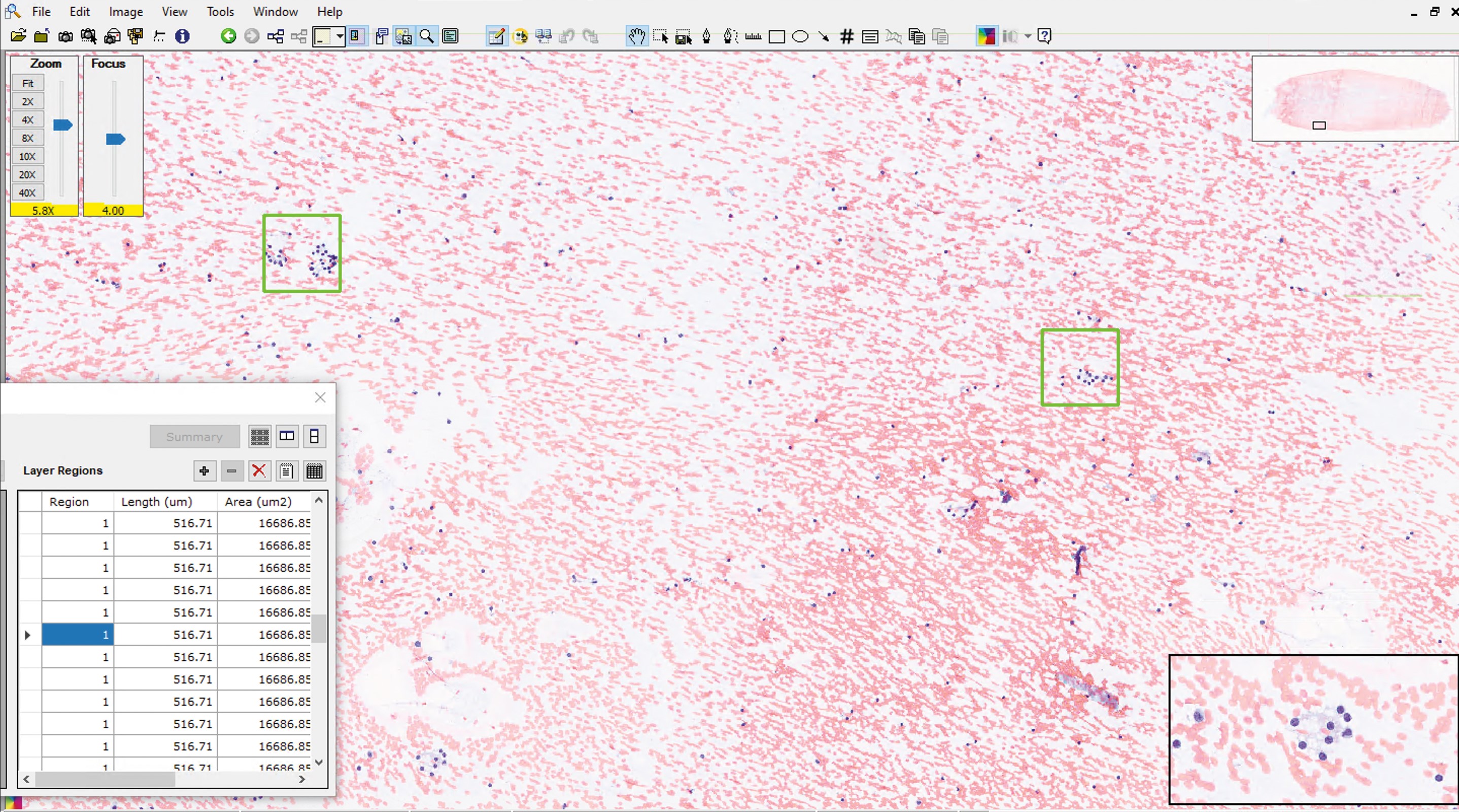
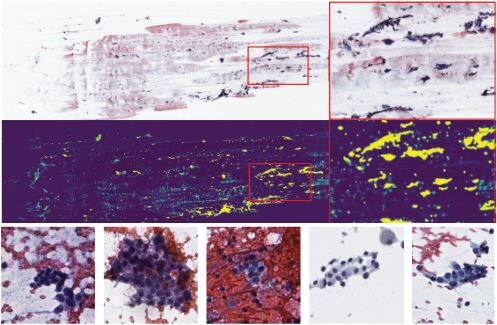
The use of whole slide images (WSIs) in diagnostic pathology presents special challenges for the cytopathologist. Informative areas on a direct smear from a thyroid fine-needle aspiration biopsy (FNAB) smear may be spread across a large area comprising blood and dead space. Manually navigating through these areas makes screening and evaluation of FNA smears on a digital platform time-consuming and laborious. We designed a machine learning algorithm that can identify regions of interest (ROIs) on thyroid fine-needle aspiration biopsy WSIs.

To evaluate the ability of the machine learning algorithm and screening software to identify and screen for a subset of informative ROIs on a thyroid FNA WSI that can be used for final diagnosis.

A representative slide from each of 109 consecutive thyroid fine-needle aspiration biopsies was scanned. A cytopathologist reviewed each WSI and recorded a diagnosis. The machine learning algorithm screened and selected a subset of 100 ROIs from each WSI to present as an image gallery to the same cytopathologist after a washout period of 117 days.

Concordance between the diagnoses using WSIs and those using the machine learning algorithm–generated ROI image gallery was evaluated using pairwise weighted κ statistics. Almost perfect concordance was seen between the 2 methods with a κ score of 0.924.

Our results show the potential of the screening software as an effective screening tool with the potential to reduce cytopathologist workloads.
Research illustration for Neural Network Approximation of Refinable Functions

Neural Network Approximation of Refinable Functions

Ingrid Daubechies, Ronald DeVore, Nadav Dym, Shira Faigenbaum-Golovin, Shahar Z. Kovalsky, Kung-Chin Lin, Josiah Park, Guergana Petrova, and Barak Sober

IEEE Transactions on Information Theory 2022

[Paper][arXiv]
[Abstract]
In the desire to quantify the success of neural networks in deep learning and other applications, there is a great interest in understanding which functions are efficiently approximated by the outputs of neural networks. By now, there exists a variety of results which show that a wide range of functions can be approximated with sometimes surprising accuracy by these outputs. For example, it is known that the set of functions that can be approximated with exponential accuracy (in terms of the number of parameters used) includes, on one hand, very smooth functions such as polynomials and analytic functions and, on the other hand, very rough functions such as the Weierstrass function, which is nowhere differentiable. In this paper, we add to the latter class of rough functions by showing that it also includes refinable functions. Namely, we show that refinable functions are approximated by the outputs of deep ReLU neural networks with a fixed width and increasing depth with accuracy exponential in terms of their number of parameters. Our results apply to functions used in the standard construction of wavelets as well as to functions constructed via subdivision algorithms in Computer Aided Geometric Design.
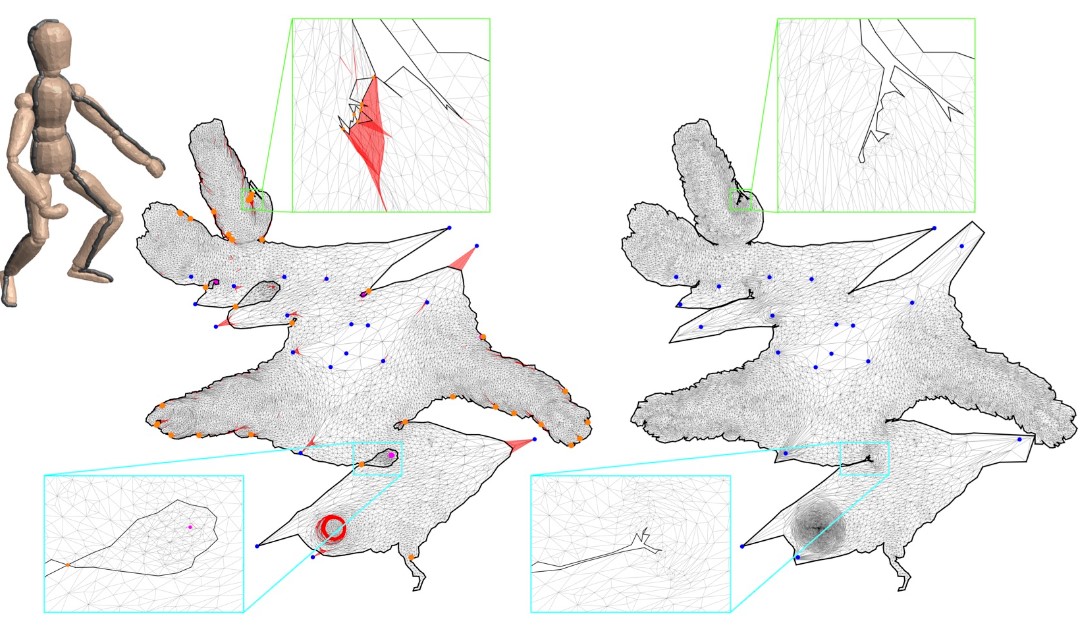
Research illustration for Isometric Energies for Recovering Injectivity in Constrained Mapping

Isometric Energies for Recovering Injectivity in Constrained Mapping

Xingyi Du, Danny M. Kaufman, Qingnan Zhou, Shahar Z. Kovalsky, Yajie Yan, Noam Aigerman, and Tao Ju

ACM Transactions on Graphics (SIGGRAPH Asia) 2022

[Paper][Project]
[Abstract]
Computing injective maps with low distortions is a long-standing problem in computer graphics. Such maps are particularly challenging to obtain in the presence of positional constraints, because an injective initial map is often not available. Recently, several energies were proposed and shown to be highly successful in optimizing injectivity from non-injective initial maps while satisfying positional constraints. However, minimizing these energies tends to produce elements with significant isometric distortions. This paper presents simple variants of these energies that retain their desirable traits while promoting isometry. While our method is not guaranteed to provide an injective map, we observe that, on large-scale 2D and 3D data sets, minimizing the proposed isometric variants results in a similar level of success in recovering injectivity as the original energies but a significantly lower isometric distortion.
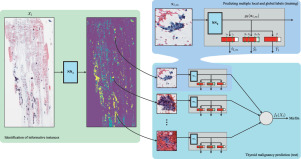
Research illustration for Weakly Supervised Instance Learning for Thyroid Malignancy Prediction from Whole Slide Cytopathology Images

Weakly Supervised Instance Learning for Thyroid Malignancy Prediction from Whole Slide Cytopathology Images

David Dov, Shahar Z. Kovalsky, Serge Assaad, Jonathan Cohen, Danielle Elliott Range, Avani A. Pendse, Ricardo Henao, and Lawrence Carin

Medical Image Analysis 2021

[Paper][arXiv]
[Abstract]
We consider machine-learning-based thyroid-malignancy prediction from cytopathology whole-slide images (WSI). Multiple instance learning (MIL) approaches, typically used for the analysis of WSIs, divide the image (bag) into patches (instances), which are used to predict a single bag-level label. These approaches perform poorly in cytopathology slides due to a unique bag structure: sparsely located informative instances with varying characteristics of abnormality. We address these challenges by considering multiple types of labels: bag-level malignancy and ordered diagnostic scores, as well as instance-level informativeness and abnormality labels. We study their contribution beyond the MIL setting by proposing a maximum likelihood estimation (MLE) framework, from which we derive a two-stage deep-learning-based algorithm. The algorithm identifies informative instances and assigns them local malignancy scores that are incorporated into a global malignancy prediction. We derive a lower bound of the MLE, leading to an improved training strategy based on weak supervision, that we motivate through statistical analysis. The lower bound further allows us to extend the proposed algorithm to simultaneously predict multiple bag and instance-level labels from a single output of a neural network. Experimental results demonstrate that the proposed algorithm provides competitive performance compared to several competing methods, achieves (expert) human-level performance, and allows augmentation of human decisions.
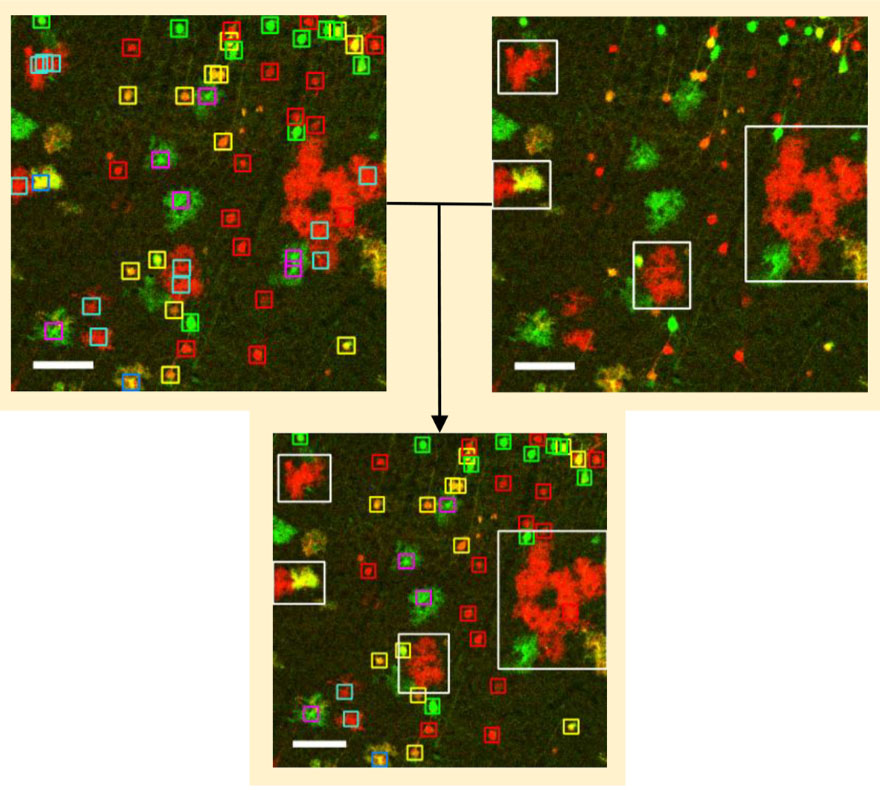
Research illustration for Detection and Classification of Neurons and Glial Cells in the MADM Mouse Brain using RetinaNet

Detection and Classification of Neurons and Glial Cells in the MADM Mouse Brain using RetinaNet

Yuheng Cai, Xuying Zhang, Shahar Z. Kovalsky, H. Troy Ghashghaei, and Alon Greenbaum

Plos One 2021

[Paper]
[Abstract]
The ability to automatically detect and classify populations of cells in tissue sections is paramount in a wide variety of applications ranging from developmental biology to pathology. Although deep learning algorithms are widely applied to microscopy data, they typically focus on segmentation which requires extensive training and labor-intensive annotation. Here, we utilized object detection networks (neural networks) to detect and classify targets in complex microscopy images, while simplifying data annotation. To this end, we used a RetinaNet model to classify genetically labeled neurons and glia in the brains of Mosaic Analysis with Double Markers (MADM) mice. Our initial RetinaNet-based model achieved an average precision of 0.90 across six classes of cells differentiated by MADM reporter expression and their phenotype (neuron or glia). However, we found that a single RetinaNet model often failed when encountering dense and saturated glial clusters, which show high variability in their shape and fluorophore densities compared to neurons. To overcome this, we introduced a second RetinaNet model dedicated to the detection of glia clusters. Merging the predictions of the two computational models significantly improved the automated cell counting of glial clusters. The proposed cell detection workflow will be instrumental in quantitative analysis of the spatial organization of cellular populations, which is applicable not only to preparations in neuroscience studies, but also to any tissue preparation containing labeled populations of cells.
Research illustration for Optimizing Global Injectivity for Constrained Parameterization

Optimizing Global Injectivity for Constrained Parameterization

Xingyi Du, Danny M. Kaufman, Qingnan Zhou, Shahar Z. Kovalsky, Yajie Yan, Noam Aigerman, and Tao Ju

ACM Transactions on Graphics (SIGGRAPH Asia) 2021

[Paper][Project][Code]
[Abstract]
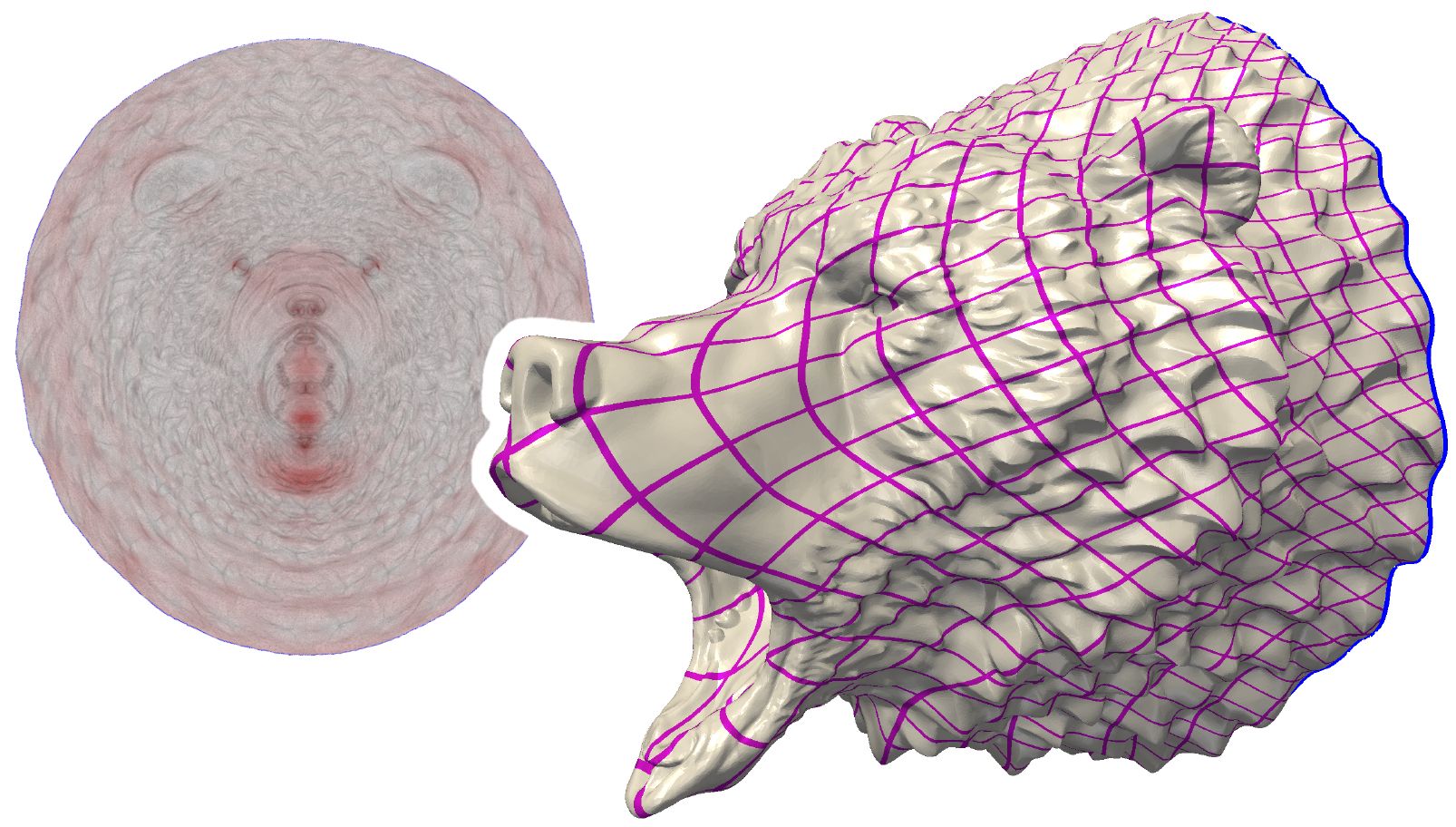
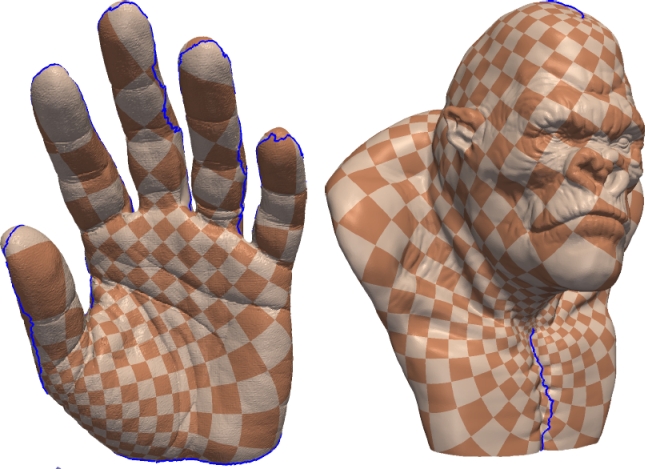
Injective parameterizations of triangulated meshes are critical across applications but remain challenging to compute. Existing algorithms to find injectivity either require initialization from an injective starting state, which is currently only possible without positional constraints, or else can only prevent triangle inversion, which is insufficient to ensure injectivity. Here we present, to our knowledge, the first algorithm for recovering a globally injective parameterization from an arbitrary non-injective initial mesh subject to stationary constraints. These initial meshes can be inverted, wound about interior vertices and/or overlapping. Our algorithm in turn enables globally injective mapping for meshes with arbitrary positional constraints. Our key contribution is a new energy, called smooth excess area (SEA), that measures non-injectivity in a map. This energy is well-defined across both injective and non-injective maps and is smooth almost everywhere, making it readily minimizable using standard gradient-based solvers starting from a non-injective initial state. Importantly, we show that maps minimizing SEA are guaranteed to be locally injective and almost globally injective, in the sense that the overlapping area can be made arbitrarily small. Analyzing SEA’s behavior over a new benchmark set designed to test injective mapping, we find that optimizing SEA successfully recovers globally injective maps for 85% of the benchmark and obtains locally injective maps for 90%. In contrast, state-of-the-art methods for removing triangle inversion obtain locally injective maps for less than 6% of the benchmark, and achieve global injectivity (largely by chance as prior methods are not designed to recover it) on less than 4%.
Research illustration for Insights from Macroevolutionary Modelling and Ancestral State Reconstruction into the Radiation and Historical Dietary Ecology of Lemuriformes (Primates, Mammalia)

Insights from Macroevolutionary Modelling and Ancestral State Reconstruction into the Radiation and Historical Dietary Ecology of Lemuriformes (Primates, Mammalia)

Ethan L. Fulwood, Shan Shan, Julia M. Winchester, Henry Kirveslahti, Robert Ravier, Shahar Z. Kovalsky, Ingrid Daubechies, and Doug M. Boyer

MBMC Ecology and Evolution 2021

[Paper]
[Abstract]
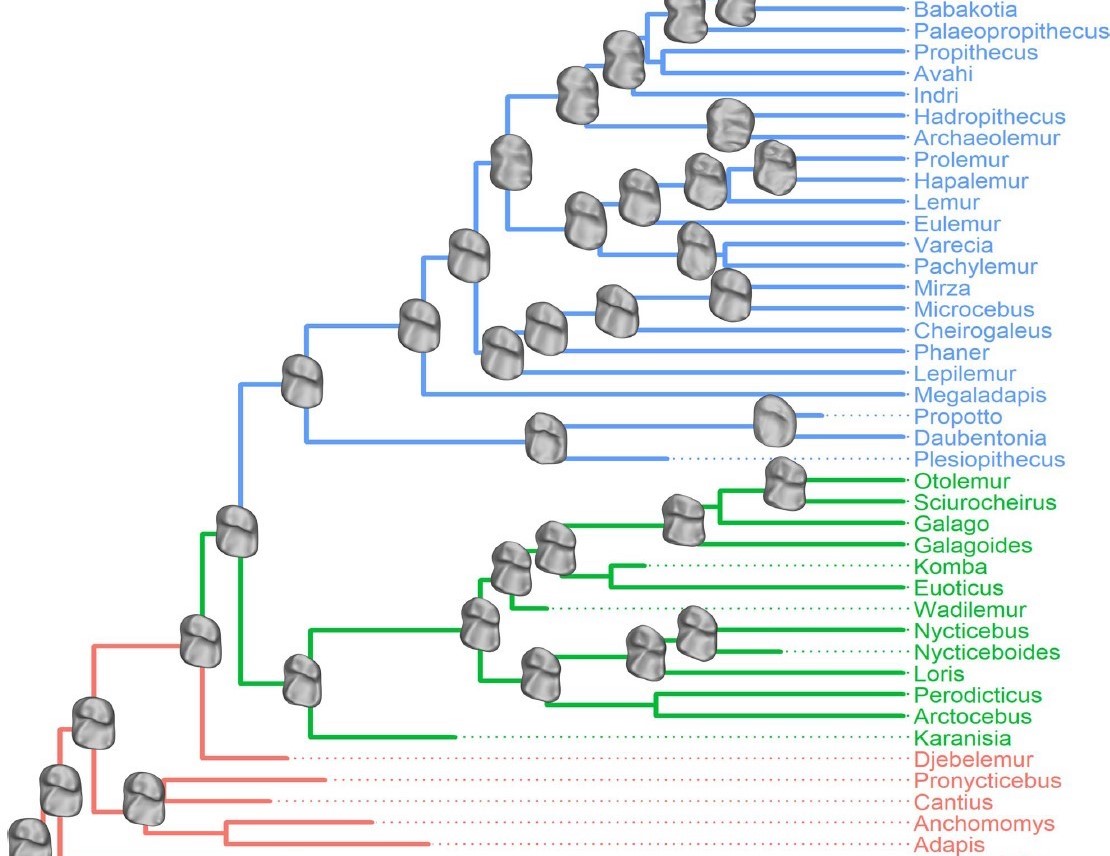
Lemurs once rivalled the diversity of rest of the primate order despite thier confinement to the island of Madagascar. We test the adaptive radiation model of Malagasy lemur diversity using a novel combination of phylogenetic comparative methods and geometric methods for quantifying tooth shape.

We apply macroevolutionary model fitting approaches and disparity through time analysis to dental topography metrics associated with dietary adaptation, an aspect of mammalian ecology which appears to be closely related to diversification in many clades. Metrics were also reconstructed at internal nodes of the lemur tree and these reconstructions were combined to generate dietary classification probabilities at internal nodes using discriminant function analysis. We used these reconstructions to calculate rates of transition toward folivory per million-year intervals. Finally, lower second molar shape was reconstructed at internal nodes by modelling the change in shape of 3D meshes using squared change parsimony along the branches of the lemur tree. Our analyses of dental topography metrics do not recover an early burst in rates of change or a pattern of early partitioning of subclade disparity. However, rates of change in adaptations for folivory were highest during the Oligocene, an interval of possible forest expansion on the island.

There was no clear phylogenetic signal of bursts of morphological evolution early in lemur history. Reconstruction of the molar morphologies corresponding to the ancestral nodes of the lemur tree suggest that this may have been driven by a shift toward defended plant resources, however. This suggests a response to the ecological opportunity offered by expanding forests, but not necessarily a classic adaptive radiation initiated by dispersal to Madagascar.
Research illustration for Affinitention Nets: Kernel Perspective on Attention Architectures for Set Classification with Applications to Medical Text and Images

Affinitention Nets: Kernel Perspective on Attention Architectures for Set Classification with Applications to Medical Text and Images

David Dov, Serge Assaad, Shijing Si, Rui Wang, Hongteng Xu, Shahar Z. Kovalsky, Jonathan Bell, Danielle Elliott Range, Jonathan Cohen, Ricardo Henao, and Lawrence Carin

Conference on Health, Inference, and Learning (CHIL) 2021

[Paper]
[Abstract]
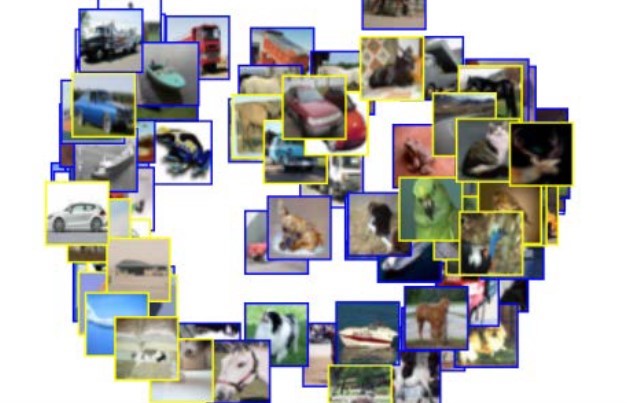
Set classification is the task of predicting a single label from a set comprising multiple instances. The examples we consider are pathology slides represented by sets of patches and medical text data represented by sets of word embeddings. State-of-the-art methods, such as the transformer network, typically use attention mechanisms to learn representations of set data, by modeling interactions between instances of the set. These methods, however, have complex heuristic architectures comprising multiple heads and layers. The complexity of attention architectures hampers their training when only a small number of labeled sets is available, as is often the case in medical applications. To address this problem, we present a kernel-based representation learning framework that links learning affinity kernels to learning representations from attention architectures. We show that learning a combination of the sum and the product of kernels is equivalent to learning representations from multi-head multi-layer attention architectures. From our framework, we devise a simplified attention architecture which we term affinitention (affinity-attention) nets. We demonstrate the application of affinitention nets to the classification of the Set-Cifar10 dataset, thyroid malignancy prediction from pathology slides, as well as patient text-message triage. We show that affinitention nets provide competitive results compared to heuristic attention architectures and outperform other competing methods.
Research illustration for Non-Convex Planar Harmonic Maps

Non-Convex Planar Harmonic Maps

Shahar Z. Kovalsky, Noam Aigerman, Ingrid Daubechies, Michael Kazhdan, Jianfeng Lu, and Stefan Steinerberger

arXiv preprint 2020

[arXiv]
[Abstract]
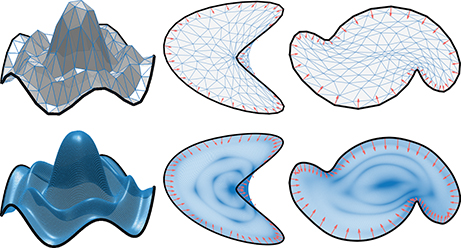
We formulate a novel characterization of a family of invertible maps between two-dimensional domains. Our work follows two classic results: The Rado-Kneser-Choquet (RKC) theorem, which establishes the invertibility of harmonic maps into a convex planer domain; and Tutte's embedding theorem for planar graphs - RKC's discrete counterpart - which proves the invertibility of piecewise linear maps of triangulated domains satisfying a discrete-harmonic principle, into a convex planar polygon. In both theorems, the convexity of the target domain is essential for ensuring invertibility. We extend these characterizations, in both the continuous and discrete cases, by replacing convexity with a less restrictive condition. In the continuous case, Alessandrini and Nesi provide a characterization of invertible harmonic maps into non-convex domains with a smooth boundary by adding additional conditions on orientation preservation along the boundary. We extend their results by defining a condition on the normal derivatives along the boundary, which we call the cone condition; this condition is tractable and geometrically intuitive, encoding a weak notion of local invertibility. The cone condition enables us to extend Alessandrini and Nesi to the case of harmonic maps into non-convex domains with a piecewise-smooth boundary. In the discrete case, we use an analog of the cone condition to characterize invertible discrete-harmonic piecewise-linear maps of triangulations. This gives an analog of our continuous results and characterizes invertible discrete-harmonic maps in terms of the orientation of triangles incident on the boundary.
Research illustration for Application of a Machine Learning Algorithm to Predict Malignancy in Thyroid Cytopathology

Application of a Machine Learning Algorithm to Predict Malignancy in Thyroid Cytopathology

Danielle Elliott Range, David Dov, Shahar Z. Kovalsky, Ricardo Henao, Lawrence Carin, and Jonathan Cohen

Cancer Cytopathology 2020

[Paper][Extended Abstract (ASC)]
[Abstract]
Thyroid nodules are not uncommon and an estimated 10% of the general population in the US is expected to develop a thyroid nodule in their lifetime. Despite this prevalence, the risk of malignancy among all thyroid nodules only ranges from 7-15%.1,2 Fine needle aspiration biopsy (FNAB) is the widely accepted modality for the evaluation of thyroid nodules. The Bethesda System for the Reporting of Thyroid Cytopathology (TBSRTC) is a standardized system used for the diagnosis of thyroid FNAB. TBSRTC comprises six diagnostic categories, each associated with its own risk of malignancy: nondiagnostic, benign (BN), atypia or follicular lesion of undetermined significance (AUS/FLUS), follicular neoplasm (FN), suspicious for malignancy (SUSP), and malignant (MAL). This associated risk of malignancy (ROM) significantly impacts the management of thyroid nodules.4 There is an estimated surgical excision rate of 20-25% for all thyroid nodules; but less than half of them will be malignant.5 This results in unnecessary surgery for a large number of patients with thyroid nodules. And the bulk of such cases fall in the indeterminate TBSRTC categories which include AUS, FN, and SUSP. We created a machine learning algorithm (MLA) to analyze whole slide images of thyroid FNAB slides for the detection of regions of interest (ROIs), prediction of malignancy and to assist in the refinement of the indeterminate TBSRTC categories.
Research illustration for Lifting Simplices to Find Injectivity

Lifting Simplices to Find Injectivity

Xingyi Du, Noam Aigerman, Qingnan Zhou, Shahar Z. Kovalsky, Yajie Yan, Danny M. Kaufman, and Tao Ju

ACM SIGGRAPH 2020

[PDF][PDF (high res)][Project][Code][Dataset]
[Abstract]
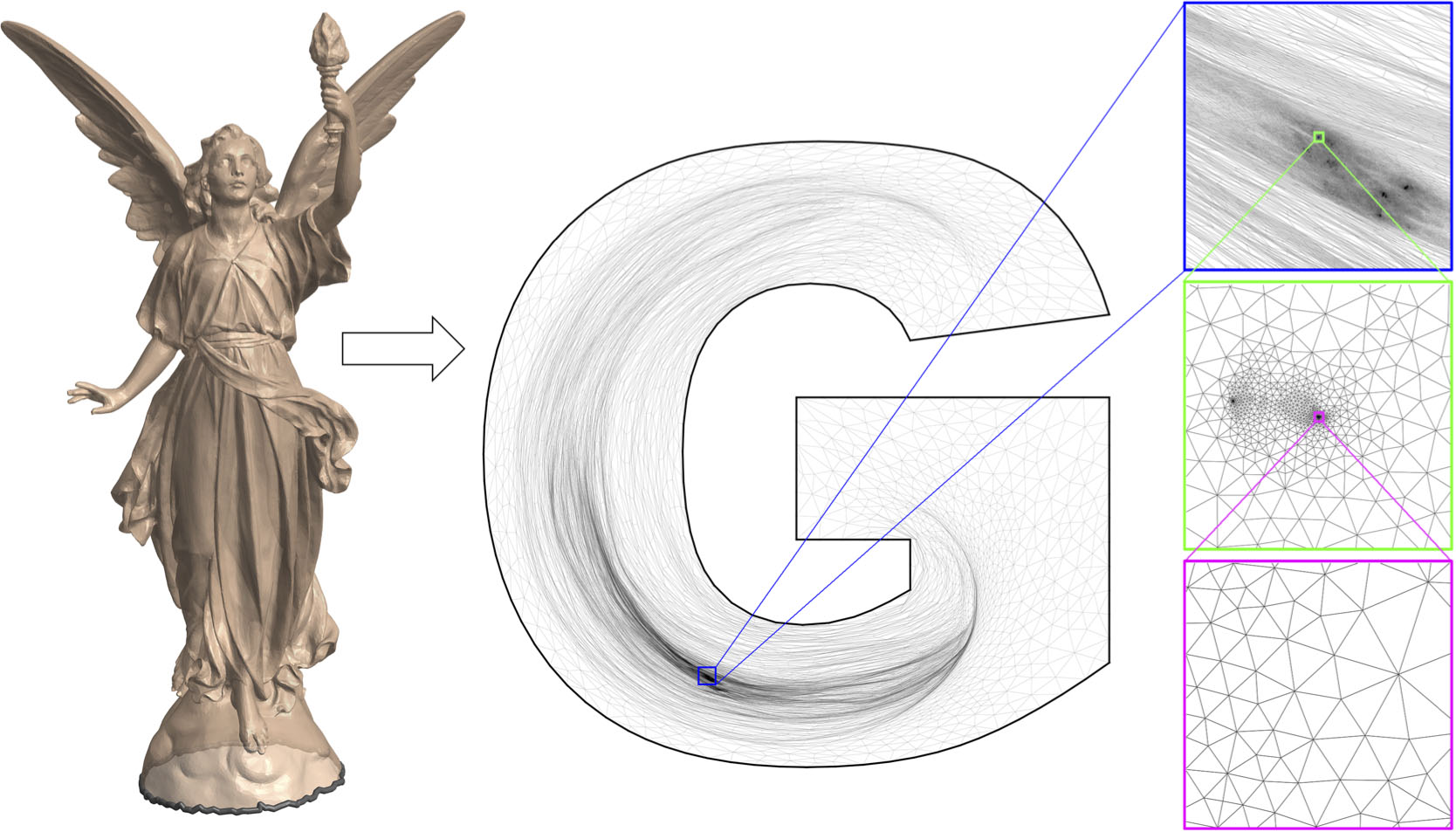
Mapping a source mesh into a target domain while preserving local injectivity is an important but highly non-trivial task. Existing methods either require an already-injective starting configuration, which is often not available, or rely on sophisticated solving schemes. We propose a novel energy form, called Total Lifted Content (TLC), that is equipped with theoretical properties desirable for injectivity optimization. By lifting the simplices of the mesh into a higher dimension and measuring their contents (2D area or 3D volume) there, TLC is smooth over the entire embedding space and its global minima are always injective. The energy is simple to minimize using standard gradient-based solvers. Our method achieved 100% success rate on an extensive benchmark of embedding problems for triangular and tetrahedral meshes, on which existing methods only have varied success.
Research illustration for Thyroid Cancer Malignancy Prediction From Whole Slide Cytopathology Images

Thyroid Cancer Malignancy Prediction From Whole Slide Cytopathology Images

David Dov, Shahar Z. Kovalsky, Jonathan Cohen, Danielle Elliott Range, Ricardo Henao, and Lawrence Carin

Machine Learning for Healthcare (MLHC) 2019

[Paper][arXiv]
[Abstract]
We consider preoperative prediction of thyroid cancer based on ultra-high-resolution whole-slide cytopathology images. Inspired by how human experts perform diagnosis, our approach first identifies and classifies diagnostic image regions containing informative thyroid cells, which only comprise a tiny fraction of the entire image. These local estimates are then aggregated into a single prediction of thyroid malignancy. Several unique characteristics of thyroid cytopathology guide our deep-learning-based approach. While our method is closely related to multiple-instance learning, it deviates from these methods by using a supervised procedure to extract diagnostically relevant regions. Moreover, we propose to simultaneously predict thyroid malignancy, as well as a diagnostic score assigned by a human expert, which further allows us to devise an improved training strategy. Experimental results show that the proposed algorithm achieves performance comparable to human experts, and demonstrate the potential of using the algorithm for screening and as an assistive tool for the improved diagnosis of indeterminate cases.
Research illustration for Linearly Converging Quasi Branch and Bound Algorithms for Global Rigid Registration

Linearly Converging Quasi Branch and Bound Algorithms for Global Rigid Registration

Nadav Dym and Shahar Z. Kovalsky

International Conference on Computer Vision (ICCV) 2019
(* oral presentation)

[Paper][arXiv][Code (GitHub)]
[Abstract]
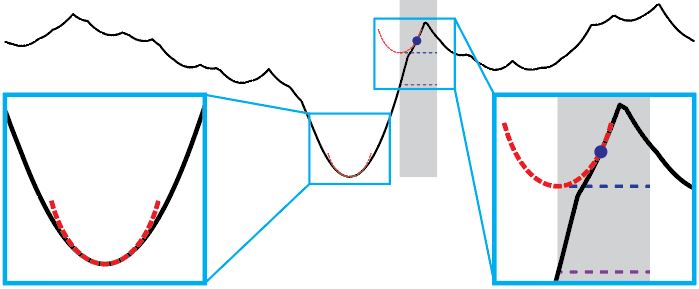
In recent years, several branch-and-bound (BnB) algorithms have been proposed to globally optimize rigid registration problems. In this paper, we suggest a general framework to improve upon the BnB approach, which we name Quasi BnB. Quasi BnB replaces the linear lower bounds used in BnB algorithms with quadratic quasi-lower bounds which are based on the quadratic behavior of the energy in the vicinity of the global minimum. While quasi-lower bounds are not truly lower bounds, the Quasi-BnB algorithm is globally optimal. In fact we prove that it exhibits linear convergence -- it achieves ϵ-accuracy in O(log(1/ϵ)) time while the time complexity of other rigid registration BnB algorithms is polynomial in 1/ϵ. Our experiments verify that Quasi-BnB is significantly more efficient than state-of-the-art BnB algorithms, especially for problems where high accuracy is desired.
Research illustration for Gaussian Process Landmarking for Three-Dimensional Geometric Morphometrics

Gaussian Process Landmarking for Three-Dimensional Geometric Morphometrics

Tingran Gao, Shahar Z. Kovalsky, Doug M. Boyer, and Ingrid Daubechies

SIAM Journal on Mathematics of Data Science 2019

[Paper][arXiv][Code (GitHub)]
[Abstract]
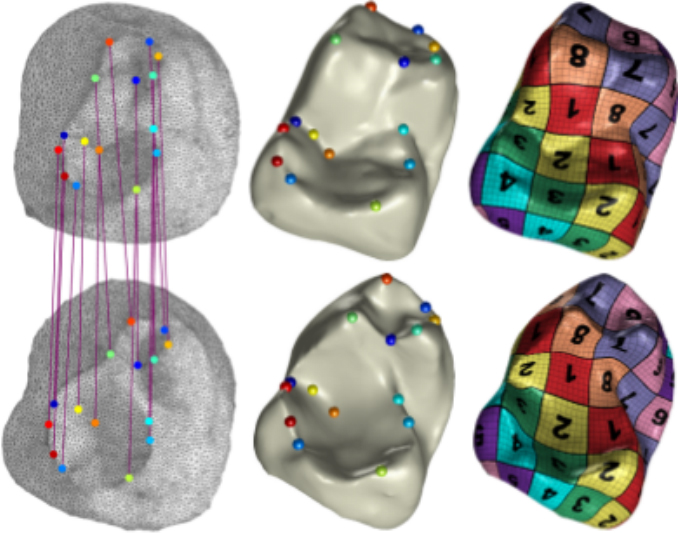
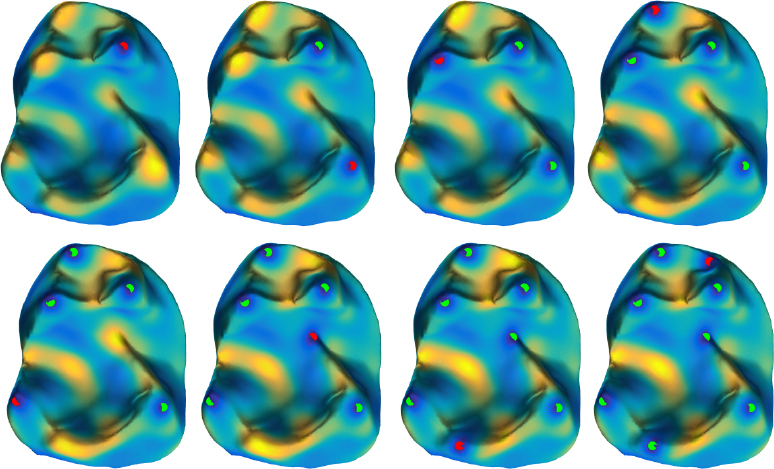
We demonstrate applications of the Gaussian process-based landmarking algorithm proposed in [T. Gao, S.Z. Kovalsky, I. Daubechies 2019] to geometric morphometrics, a branch of evolutionary biology centered at the analysis and comparisons of anatomical shapes, and compares the automatically sampled landmarks with the 'ground truth' landmarks manually placed by evolutionary anthropologists; the results suggest that Gaussian process landmarks perform equally well or better, in terms of both spatial coverage and downstream statistical analysis. We provide a detailed exposition of numerical procedures and feature filtering algorithms for computing high-quality and semantically meaningful diffeomorphisms between disk-type anatomical surfaces.
Research illustration for Gaussian Process Landmarking on Manifolds

Gaussian Process Landmarking on Manifolds

Tingran Gao, Shahar Z. Kovalsky, and Ingrid Daubechies

SIAM Journal on Mathematics of Data Science 2019

[Paper][arXiv]
[Abstract]
As a means of improving analysis of biological shapes, we propose an algorithm for sampling a Riemannian manifold by sequentially selecting points with maximum uncertainty under a Gaussian process model. This greedy strategy is known to be near-optimal in the experimental design literature, and appears to outperform the use of user-placed landmarks in representing the geometry of biological objects in our application. In the noiseless regime, we establish an upper bound for the mean squared prediction error (MSPE) in terms of the number of samples and geometric quantities of the manifold, demonstrating that the MSPE for our proposed sequential design decays at a rate comparable to the oracle rate achievable by any sequential or non-sequential optimal design; to our knowledge this is the first result of this type for sequential experimental design. The key is to link the greedy algorithm to reduced basis methods in the context of model reduction for partial differential equations. We expect this approach will find additional applications in other fields of research.
Research illustration for ariaDNE: A Robustly Implemented Algorithm for Dirichlet Normal Energy

ariaDNE: A Robustly Implemented Algorithm for Dirichlet Normal Energy

Shan Shan, Shahar Z. Kovalsky, Julie M. Winchester, Doug M. Boyer, and Ingrid Daubechies

Methods in Ecology and Evolution 2019

[Paper][Project][Code (GitHub)]
[Abstract]
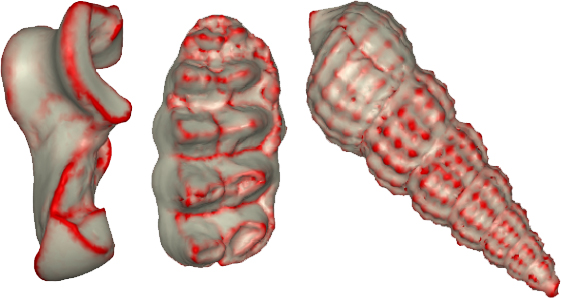
The Dirichlet energy of the normal measures how much a 3D surface bends; DNE, a discretized version for 3D meshes, is effective for biological studies of morphological surfaces. Recent studies found that the DNE algorithm is sensitive to various surface preparation procedures, raising concerns regarding comparability and objectivity when utilizing DNE in morphological research. We provide a robustly implemented algorithm for computing the Dirichlet normal energy (ariaDNE) on 3D meshes. We show that ariaDNE is much more stable than DNE when preparation-related mesh surface attributes such as resolution (polygon count), mesh representation (i.e., a different set of points/nodes or triangles representing the same continuous surface) and noise are varied through simulation. We also show that the effects of smoothing and boundary faces are more limited on ariaDNE than DNE. Further, ariaDNE retains the potential of DNE for biological studies, illustrated by it effectively differentiating species by dietary preferences. AriaDNE can be a useful tool to uniformly quantify shape on samples of surface meshes collected with different instruments or at different resolutions, and prepared by varying procedures. To facilitate the field to move towards this goal, the supplementary materials provide ariaDNE values for specimens used in previously published DNE analyses. Scripts for computing ariaDNE can be found by link within this manuscript.
Research illustration for Spherical Orbifold Tutte Embeddings

Spherical Orbifold Tutte Embeddings

Noam Aigerman, Shahar Z. Kovalsky, and Yaron Lipman

ACM SIGGRAPH 2017

[PDF][PDF (high res)]
[Abstract]
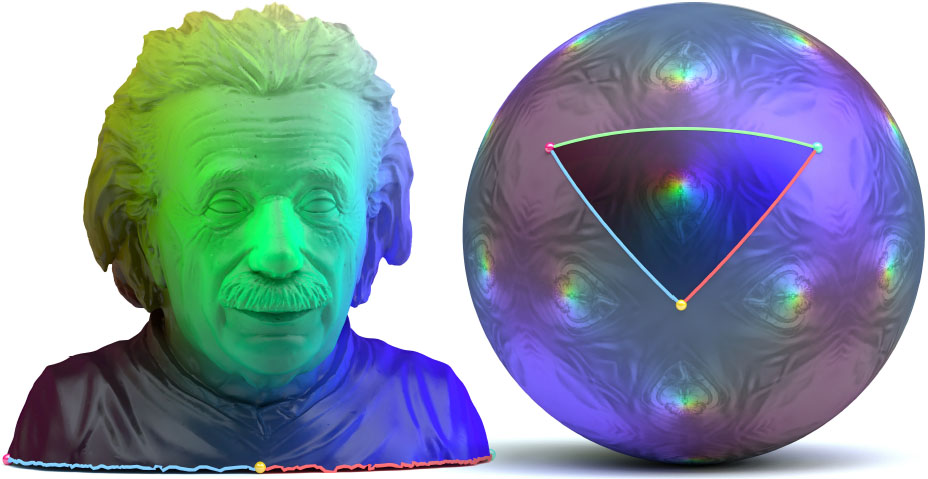
This work presents an algorithm for injectively parameterizing surfaces into spherical target domains called spherical orbifolds. Spherical orbifolds are cone surfaces that are generated from symmetry groups of the sphere. The surface is mapped the spherical orbifold via an extension of Tutte’s embedding. This embedding is proven to be bijective under mild additional assumptions, which hold in all experiments performed.

This work also completes the adaptation of Tutte’s embedding to orbifolds of the three classic geometries – Euclidean, hyperbolic and spherical – where the first two were recently addressed.

The spherical orbifold embeddings approximate conformal maps and require relatively low computational times. The constant positive curvature of the spherical orbifolds, along with the flexibility of their cone angles, enables producing embeddings with lower isometric distortion compared to their Euclidean counterparts, a fact that makes spherical orbifolds a natural candidate for surface parameterization.
Research illustration for Geometric Optimization via Composite Majorization

Geometric Optimization via Composite Majorization

Anna Shtengel, Roi Poranne, Olga Sorkine-Hornung, Shahar Z. Kovalsky, and Yaron Lipman

ACM SIGGRAPH 2017

[PDF][PDF (high res)][Code (GitHub)]
[Abstract]
Many algorithms on meshes require the minimization of composite objectives, i.e., energies that are compositions of simpler parts. Canonical examples include mesh parameterization and deformation.We propose a second order optimization approach that exploits this composite structure to efficiently converge to a local minimum.

Our main observation is that a convex-concave decomposition of the energy constituents is simple and readily available in many cases of practical relevance in graphics. We utilize such convex-concave decompositions to define a tight convex majorizer of the energy, which we employ as a convex second order approximation of the objective function. In contrast to existing approaches that largely use only local convexification, our method is able to take advantage of a more global view on the energy landscape. Our experiments on triangular meshes demonstrate that our approach outperforms the state of the art on standard problems in geometry processing, and potentially provide a unified framework for developing efficient geometric optimization algorithms.
Research illustration for Point Registration via Efficient Convex Relaxation

Point Registration via Efficient Convex Relaxation

Haggai Maron, Nadav Dym, Itay Kezurer, Shahar Z. Kovalsky, and Yaron Lipman

ACM SIGGRAPH 2016

[PDF][PDF (high res)][Code (zip)]
[Abstract]
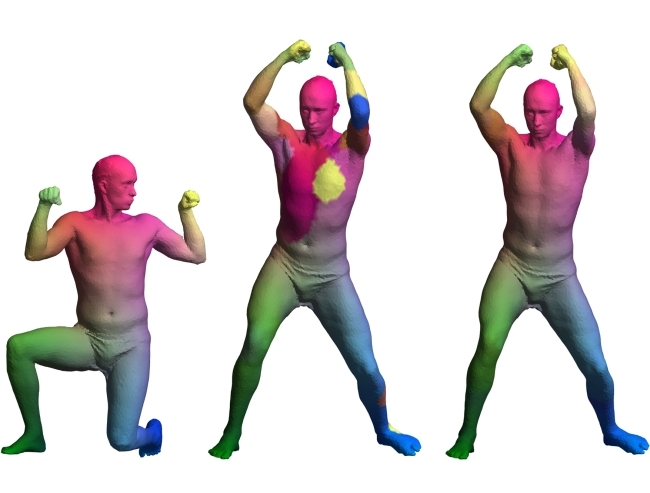
Point cloud registration is a fundamental task in computer graphics, and more specifically, in rigid and non-rigid shape matching. The rigid shape matching problem can be formulated as the problem of simultaneously aligning and labelling two point clouds in 3D so that they are as similar as possible. We name this problem the Procrustes matching (PM) problem. The non-rigid shape matching problem can be formulated as a higher dimensional PM problem using the functional maps method. High dimensional PM problems are difficult non-convex problems which currently can only be solved locally using iterative closest point (ICP) algorithms or similar methods. Good initialization is crucial for obtaining a good solution.
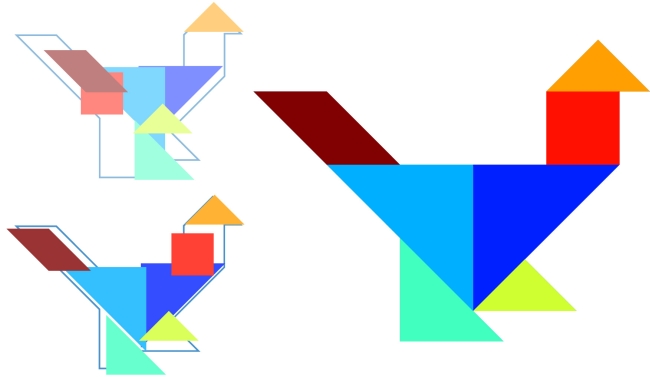
We introduce a novel and efficient convex SDP (semidefinite programming) relaxation for the PM problem. The algorithm is guaranteed to return a correct global solution of the problem when matching two isometric shapes which are either asymmetric or bilaterally symmetric.

We show our algorithm gives state of the art results on popular shape matching datasets. We also show that our algorithm gives state of the art results for anatomical classification of shapes. Finally we demonstrate the power of our method in aligning shape collections.
Research illustration for Accelerated Quadratic Proxy for Geometric Optimization

Accelerated Quadratic Proxy for Geometric Optimization

Shahar Z. Kovalsky, Meirav Galun, and Yaron Lipman

ACM SIGGRAPH 2016

[PDF][PDF (high res)][Project (+code)]
[Abstract]
We present the Accelerated Quadratic Proxy (AQP) - a simple first-order algorithm for the optimization of geometric energies defined over triangular and tetrahedral meshes.

The main stumbling block of current optimization techniques used to minimize geometric energies over meshes is slow convergence due to ill-conditioning of the energies at their minima. We observe that this ill-conditioning is in large part due to a Laplacian-like term existing in these energies. Consequently, we suggest to locally use a quadratic polynomial proxy, whose Hessian is taken to be the Laplacian, in order to achieve a preconditioning effect. This already improves stability and convergence, but more importantly allows incorporating acceleration in an almost universal way, that is independent of mesh size and of the specific energy considered.

Experiments with AQP show it is rather insensitive to mesh resolution and requires a nearly constant number of iterations to converge; this is in strong contrast to other popular optimization techniques used today such as Accelerated Gradient Descent and Quasi-Newton methods, \eg, L-BFGS. We have tested AQP for mesh deformation in 2D and 3D as well as for surface parameterization, and found it to provide a considerable speedup over common baseline techniques.
Research illustration for Learning 3D Deformation of Animals from 2D Images

Learning 3D Deformation of Animals from 2D Images

Angjoo Kanazawa, Shahar Z. Kovalsky, Ronen Basri, and David Jacobs

Eurographics 2016 (Günter Enderle best paper award)

[PDF][Code (GitHub)]
[Abstract]
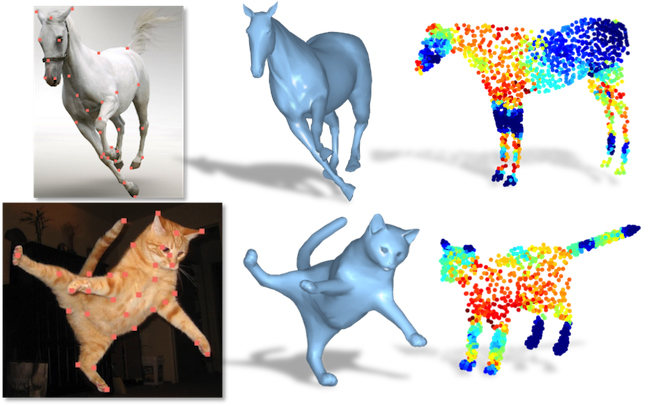
Understanding how an animal can deform and articulate is essential for a realistic modification of its 3D model. In this paper, we show that such information can be learned from user-clicked 2D images and a template 3D model of the target animal. We present a volumetric deformation framework that produces a set of new 3D models by deforming a template 3D model according to a set of user-clicked images. Our framework is based on a novel locally-bounded deformation energy, where every local region has its own stiffness value that bounds how much distortion is allowed at that location. We jointly learn the local stiffness bounds as we deform the template 3D mesh to match each user-clicked image. We show that this seemingly complex task can be solved as a sequence of convex optimization problems. We demonstrate the effectiveness of our approach on cats and horses, which are highly deformable and articulated animals. Our framework produces new 3D models of animals that are significantly more plausible than methods without learned stiffness.
Research illustration for Tight Relaxation of Quadratic Matching

Tight Relaxation of Quadratic Matching

Itay Kezurer*, Shahar Z. Kovalsky*, Ronen Basri, and Yaron Lipman

Computer Graphics Forum (Proc. of SGP) 2015 (best paper award)
(* equal contributors)

[PDF][Slides]
[Abstract]
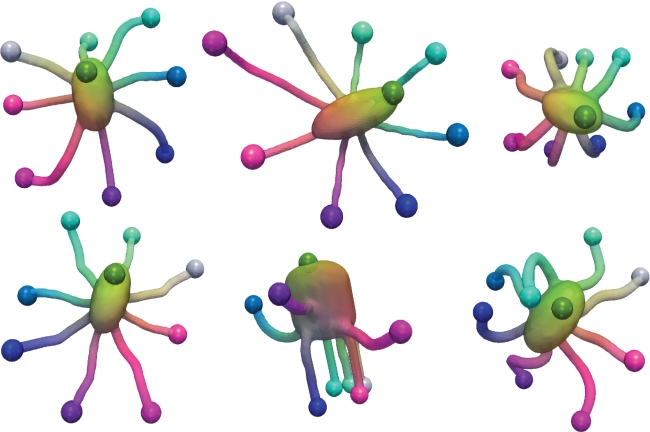
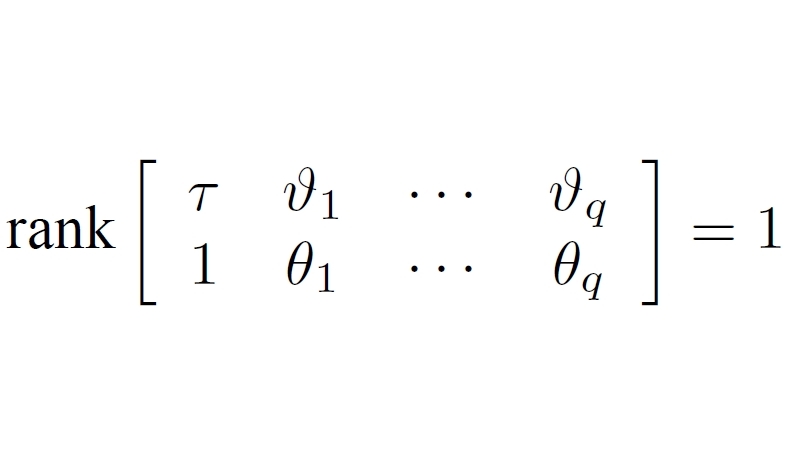
Establishing point correspondences between shapes is extremely challenging as it involves both finding sets of semantically persistent feature points, as well as their combinatorial matching. We focus on the latter and consider the Quadratic Assignment Matching (QAM) model. We suggest a novel convex relaxation for this NP-hard problem that builds upon a rank-one reformulation of the problem in a higher dimension, followed by relaxation into a semidefinite program (SDP). Our method is shown to be a certain hybrid of the popular spectral and doubly-stochastic relaxations of QAM and in particular we prove that it is tighter than both.

Experimental evaluation shows that the proposed relaxation is extremely tight: in the majority of our experiments it achieved the certified global optimum solution for the problem, while other relaxations tend to produce sub-optimal solutions. This, however, comes at the price of solving an SDP in a higher dimension.

Our approach is further generalized to the problem of Consistent Collection Matching (CCM), where we solve the QAM on a collection of shapes while simultaneously incorporating a global consistency constraint. Lastly, we demonstrate an application to metric learning of collections of shapes.
Research illustration for Identification of Structured LTI MIMO State-Space Models

Identification of Structured LTI MIMO State-Space Models

Chengpu Yu, Michel Verhaegen, Shahar Z. Kovalsky, and Ronen Basri

IEEE Conference on Decision and Control (CDC) 2015

[PDF]
[Abstract]
The identification of structured state-space model has been intensively studied for a long time but still has not been adequately addressed. The main challenge is that the involved estimation problem is a non-convex (or bilinear) optimization problem. This paper is devoted to developing an identification method which aims to find the global optimal solution under mild computational burden. Key to the developed identification algorithm is to transform a bilinear estimation to a rank constrained optimization problem and further a difference of convex programming (DCP) problem. The initial condition for the DCP problem is obtained by solving its convex part of the optimization problem which happens to be a nuclear norm regularized optimization problem. Since the nuclear norm regularized optimization is the closest convex form of the low-rank constrained estimation problem, the obtained initial condition is always of high quality which provides the DCP problem a good starting point. The DCP problem is then solved by the sequential convex programming method. Finally, numerical examples are included to show the effectiveness of the developed identification algorithm.
Research illustration for A Global Approach for Solving Edge-Matching Puzzles

A Global Approach for Solving Edge-Matching Puzzles

Shahar Z. Kovalsky, Daniel Glasner, and Ronen Basri

SIAM J. Imaging Sciences, Vol. 8, Issue 2, 2015

[PDF]
[Abstract]
We consider apictorial edge-matching puzzles, in which the goal is to arrange a collection of puzzle pieces with colored edges so that the colors match along the edges of adjacent pieces. We devise an algebraic representation for this problem and provide conditions under which it exactly characterizes a puzzle. Using the new representation, we recast the combinatorial, discrete problem of solving puzzles as a global, polynomial system of equations with continuous variables. We further propose new algorithms for generating approximate solutions to the continuous problem by solving a sequence of convex relaxations.
Research illustration for Large-Scale Bounded Distortion Mappings

Large-Scale Bounded Distortion Mappings

Shahar Z. Kovalsky, Noam Aigerman, Ronen Basri, and Yaron Lipman

ACM SIGGRAPH Asia 2015

[PDF][PDF (high res)][Project (+code)][Slides]
[Abstract]
We propose an efficient algorithm for computing large-scale bounded distortion maps of triangular and tetrahedral meshes. Specifically, given an initial map, we compute a similar map whose differentials are orientation preserving and have bounded condition number.

Inspired by alternating optimization and Gauss-Newton approaches, we devise a first order method which combines the advantages of both. On the one hand, its iterations are as computationally efficient as those of alternating optimization. On the other hand, it enjoys preferable convergence properties, associated with Gauss-Newton like approaches.

We demonstrate the utility of the proposed approach in efficiently solving geometry processing problems, focusing on challenging large-scale problems.
Research illustration for Controlling Singular Values with Semidefinite Programming

Controlling Singular Values with Semidefinite Programming

Shahar Z. Kovalsky*, Noam Aigerman*, Ronen Basri, and Yaron Lipman

ACM SIGGRAPH 2014
(* equal contributors)

[PDF][PDF (high res)][Project (+code)][Slides]
[Abstract]
Controlling the singular values of n-dimensional matrices is often required in geometric algorithms in graphics and engineering. This paper introduces a convex framework for problems that involve singular values. Specifically, it enables the optimization of functionals and constraints expressed in terms of the extremal singular values of matrices.

Towards this end, we introduce a family of convex sets of matrices whose singular values are bounded. These sets are formulated using Linear Matrix Inequalities (LMI), allowing optimization with standard convex Semidefinite Programming (SDP) solvers. We further show that these sets are optimal, in the sense that there exist no larger convex sets that bound singular values.

A number of geometry processing problems are naturally described in terms of singular values. We employ the proposed framework to optimize and improve upon standard approaches. We experiment with this new framework in several applications: volumetric mesh deformations, extremal quasi-conformal mappings in three dimensions, non-rigid shape registration and averaging of rotations. We show that in all applications the proposed approach leads to algorithms that compare favorably to state-of-art algorithms.
Research illustration for Global Motion Estimation from Point Matches

Global Motion Estimation from Point Matches

Mica Arie-Nachimson, Shahar Z. Kovalsky, Ira Kemelmacher-Shlizerman, Amit Singer, and Ronen Basri

3D Imaging, Modeling, Processing, Visualization and Transmission (3DIMPVT), 2012

[PDF]
[Abstract]
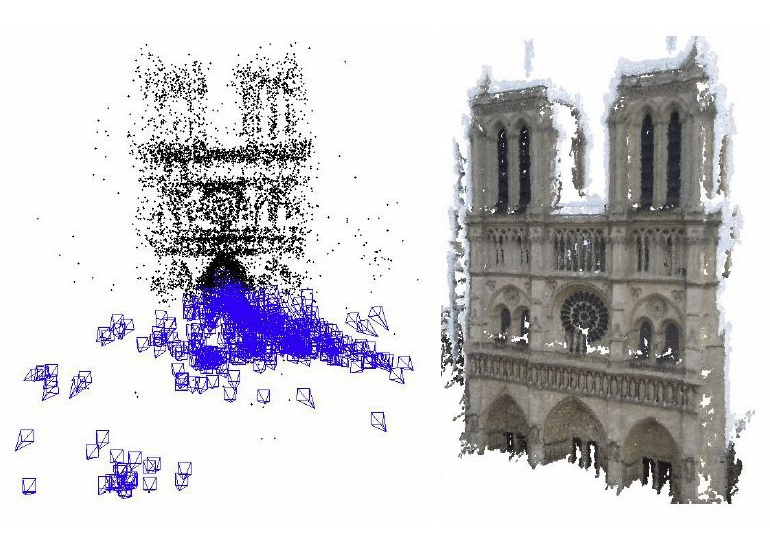
Multiview structure recovery from a collection of images requires the recovery of the positions and orientations of the cameras relative to a global coordinate system. Our approach recovers camera motion as a sequence of two global optimizations. First, pairwise Essential Matrices are used to recover the global rotations by applying robust optimization using either spectral or semidefinite programming relaxations. Then, we directly employ feature correspondences across images to recover the global translation vectors using a linear algorithm based on a novel decomposition of the Essential Matrix. Our method is efficient and, as demonstrated in our experiments, achieves highly accurate results on collections of real images for which ground truth measurements are available.
Research illustration for Strongly Consistent Estimation of the Sample Distribution of Noisy Continuous-Parameter Fields

Strongly Consistent Estimation of the Sample Distribution of Noisy Continuous-Parameter Fields

Shahar Z. Kovalsky, Guy Cohen, and Joseph M. Francos

IEEE Transactions on Information Theory, 2011

[PDF]
[Abstract]
The general problem of defining and determining the sample distribution in the case of continuous-parameter random fields is addressed. Defining a distribution in the case of deterministic functions is straightforward, based on measures of sublevel sets. However, the fields we consider are the sum of a deterministic component (nonrandom multidimensional function) and an i.i.d. random field; an attempt to extend the same notion to the stochastic case immediately raises some fundamental difficulties. We show that by “uniformly sampling” such random fields the difficulties may be avoided and a sample distribution may be compatibly defined and determined. Not surprisingly, the obtained result resembles the known fact that the probability distribution of the sum of two independent random variables is the convolution of their distributions. Finally, we apply the results to derive a solution to the problem of deformation estimation of one- and multidimensional signals in the presence of measurement noise.
Research illustration for Decoupled Linear Estimation of Affine Geometric Deformations and Non-Linear Intensity Transformations of Images

Decoupled Linear Estimation of Affine Geometric Deformations and Non-Linear Intensity Transformations of Images

Shahar Z. Kovalsky, Guy Cohen, Rami Hagege, and Joseph M. Francos

IEEE Transactions on Pattern Analysis and Machine Intelligence (PAMI), 2010

[PDF]
[Abstract]
We consider the problem of registering two observations on an arbitrary object, where the two are related by a geometric affine transformation of their coordinate systems, and by a non-linear mapping of their intensities. More generally, the framework is that of jointly estimating the geometric and radiometric deformations relating two observations on the same object. We show that the original high-dimensional, non-linear, non-convex search problem of simultaneously recovering the geometric and radiometric deformations can be represented by an equivalent sequence of two linear systems. A solution of this sequence yields an exact, explicit, and efficient solution to the joint estimation problem.
Research illustration for Registration of Joint Geometric and Radiometric Image Deformations in the Presence of Noise

Registration of Joint Geometric and Radiometric Image Deformations in the Presence of Noise

Shahar Z. Kovalsky, Guy Cohen, and Joseph M. Francos

IEEE Workshop on Statistical Signal Processing (SSP), 2007

[PDF]
[Abstract]
We consider the problem of object registration where the observed template simultaneously undergoes an affine transformation of coordinates and a non-linear mapping of the intensities. More generally, the problem is that of jointly estimating the geometric and radiometric deformations relating two observations on the same object. We show that, in the absence of noise, the original high dimensional nonconvex search problem that needs to be solved in order to register the observation to the template is replaced by an equivalent problem, expressed in terms of a sequence of two linear systems of equations. A solution to this sequence provides an exact solution to the registration problem.

It is further shown that in the presence of noise, the original stochastic registration problem can be mapped, almost surely, to a new deterministic problem in the form of a classic deconvolution problem. Solution of the deconvolution problem reduces the solution of the original estimation problem to the form derived for the noisefree case.
Research illustration for Registration of Joint Geometric and Radiometric Image Deformations

Registration of Joint Geometric and Radiometric Image Deformations

Shahar Z. Kovalsky, Rami Hagege, and Joseph M. Francos

IASTED International Conference on Signal and Image Processing (SIP), 2007

[PDF]
[Abstract]
We consider the problem of object registration where the observation and template differ both geometrically and radiometrically. The type of radiometric deformations we consider falls into the general framework of color constancy, and the geometric deformations are affine. Since the registration procedure employs the intensity information in both the template and observation, a solution to the color constancy problemhave to be established jointly with a solution to the problem of estimating the geometric transformation.

We show that the original high-dimensional nonconvex search problem, that needs to be solved in order to register the observation to the template, can be replaced by an equivalent problem, expressed in terms of a sequence of two linear systems of equations. A solution to this sequence provides an exact solution to the registration problem.

Mentoring

Current students

Tyler Watts

Tyler Watts

Undergraduate student

Alumni

Teaching

Courses

Illustration for Optimization with Application in Machine Learning

Optimization with Application in Machine Learning

UNC-CH (MATH 590/560): SP21, SP22, SP23

Slides (email to request)

Illustration for Linear Algebra for Applications

Linear Algebra for Applications

UNC-CH (MATH 347): FA22, SP23

Slides (email to request)

Illustration for First Course in Differential Equations

First Course in Differential Equations

UNC-CH (MATH 383): FA20

Slides (email to request)

Illustration for Mathematics of Machine Learning

Mathematics of Machine Learning

Duke (MATH 466): FA19

Illustration for Math Everywhere

Math Everywhere

Duke (MATH 181): SP18, SP19, SP20

Illustration for Minicourse: Convex Majorization with Applications

Minicourse: Convex Majorization with Applications

Duke (MATH 790-90): FA2017

Slides (email to request)

Others

Illustration for Tour of Image Denoising

Tour of Image Denoising

Tutorial given at the Weizmann Institute of Science 2011 (with Alon Faktor)